Sleep Apnea and Age: Why the Risk Grows Over Time
Sleep apnea is more common than many people realize. Roughly 30 million U.S. adults have obstructive sleep apnea (OSA), yet an estimated 80% of these cases go undiagnosed. That means millions of people are living with a serious, treatable condition without even knowing it. And as we get older, the odds only climb. In fact, 56% of people age 65 and older are more likely to develop obstructive sleep apnea than younger adults.
At Sleep Apnea & TMJ Solutions, serving Brentwood and Murfreesboro, TN, Dr. Bryan McLaughlin helps patients understand these risks and take action. As a board-certified prosthodontist and Diplomate of the American Board of Dental Sleep Medicine (DABDSM), he has received advanced training in obstructive sleep apnea and treats it with proven, comfortable appliance therapy.
Why Sleep Apnea Worsens With Age
Aging changes your body in ways you can’t always see. Over time, the muscles and soft tissues in your throat lose tone, which makes your airway more likely to collapse during sleep. When that happens, breathing stops and starts throughout the night, often without you noticing.
Hormonal shifts add to the problem. This is especially true for women after menopause, when protective hormones decline and OSA rates rise sharply. Combined with more easily collapsible airways, these natural changes explain why sleep apnea often develops or grows more severe as the years pass.
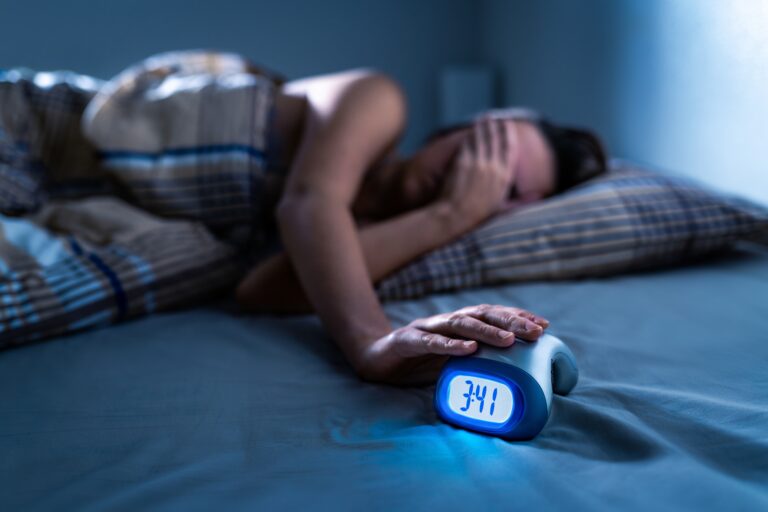
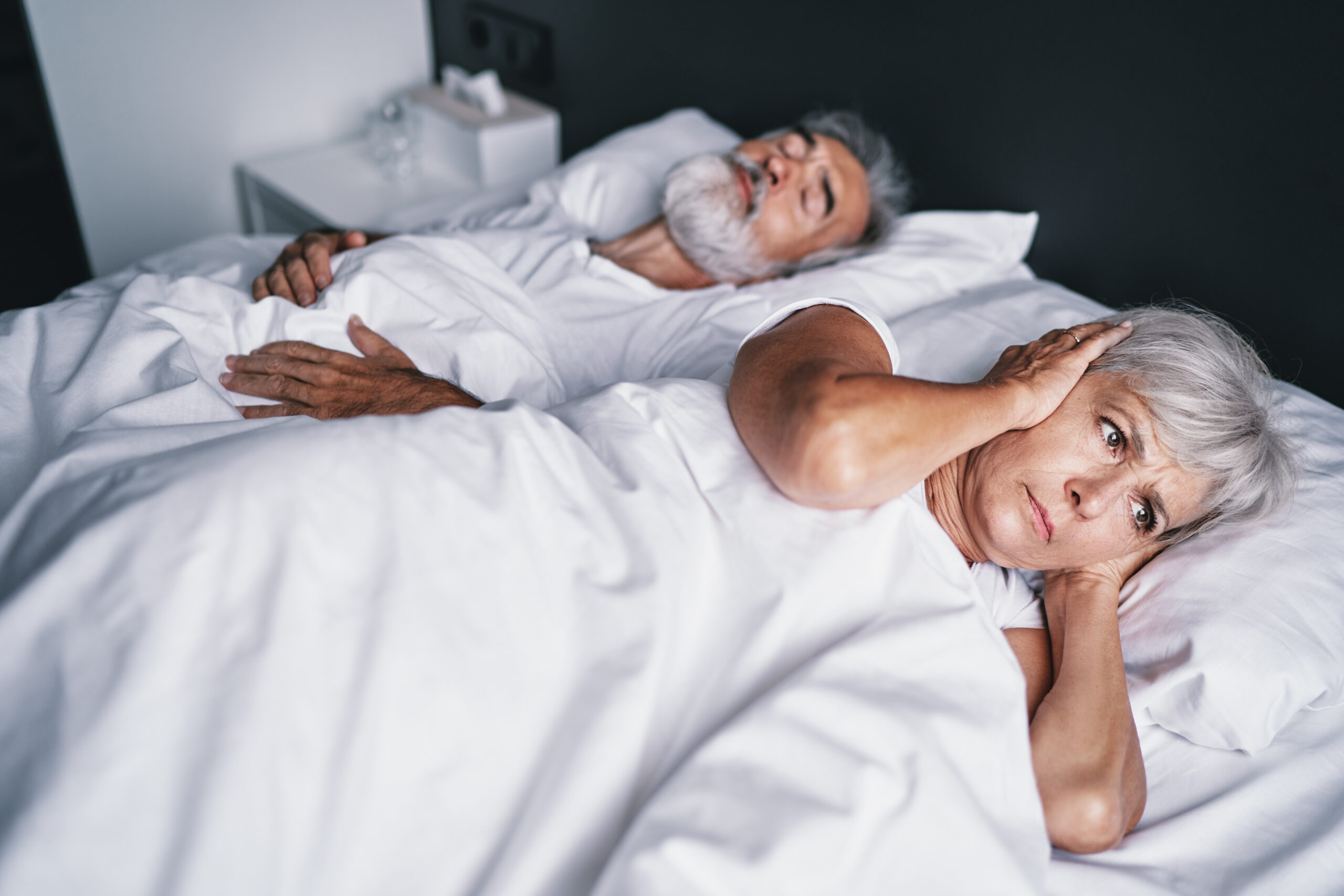
The tricky part? Symptoms can be easy to miss or blame on “just getting older.” Loud snoring, morning headaches, daytime fatigue, and trouble concentrating are all warning signs worth taking seriously.
Long-Term Effects of Sleep Apnea
Left untreated, sleep apnea does more than disrupt your rest. It quietly strains your entire body, and the long-term effects can be severe:
- Cardiovascular risks. OSA is closely linked to high blood pressure, heart arrhythmias, coronary artery disease, and stroke. People with sleep apnea are nearly twice as likely to experience a cardiovascular event.
- Depression. Poor, fragmented sleep takes a toll on mood and mental health, increasing the risk of depression.
- Alzheimer’s. Research connects untreated sleep apnea with cognitive decline and a greater risk of Alzheimer’s disease.
- Premature death. When your body repeatedly loses oxygen night after night, the cumulative damage can shorten your life.
These are sobering outcomes, but they are also largely preventable with the right care.
The Value of Professional Diagnosis and Treatment
You can’t treat a problem you don’t know you have. That’s exactly why professional evaluation matters so much, particularly given how many cases stay undiagnosed. A proper diagnosis gives you clear answers and opens the door to effective solutions.
Dr. McLaughlin offers a comfortable, patient-focused alternative for many people who struggle with a CPAP machine. Custom-fit oral appliance therapy gently keeps your airway open while you sleep, helping you breathe freely and wake up refreshed. It’s quiet, portable, and easy to wear, and countless patients find it far simpler to stick with.
Take the First Step Toward Better Sleep
Your health and your rest are worth protecting at every age. If you or a loved one shows signs of sleep apnea, don’t wait for the risks to grow. Contact Sleep Apnea & TMJ Solutions in Brentwood or Murfreesboro, TN today to schedule a consultation with Dr. McLaughlin and discover how good sleep can feel again.
Contact Sleep Apnea & TMJ Solutions:
615-850-8445
Location (Tap To Open In Google Maps):
1177 Old Hickory Blvd, Suite 203
Brentwood, TN 370271605 Medical Center Pkwy, Suite 215
Murfreesboro, TN 37129